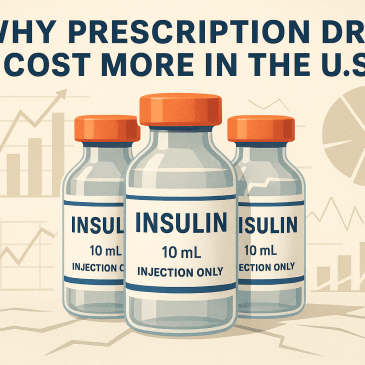
Why Prescription Drugs Cost More in the U.S. (and What Actually Lowers Prices)

Americans pay far more for the same medicines. The drivers are patents, opaque rebates, and fragmented purchasing power. Here are reforms that lower prices without killing innovation. … More Why Prescription Drugs Cost More in the U.S. (and What Actually Lowers Prices)

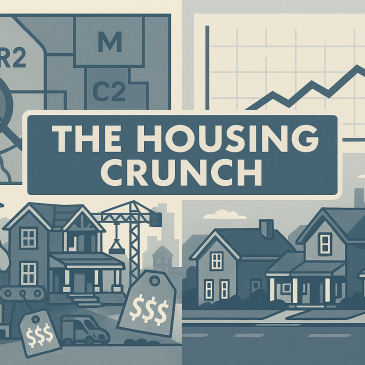
Housing Crisis: Supply, Demand, and Zoning Reform

The housing crisis in the U.S. stems from persistent supply constraints rather than just demand issues. Zoning laws and lengthy approval processes restrict construction, driving prices beyond typical incomes. The result is widespread affordability problems affecting both renters and buyers. Solutions require legalizing diverse housing types and streamlining approval processes. … More Housing Crisis: Supply, Demand, and Zoning Reform

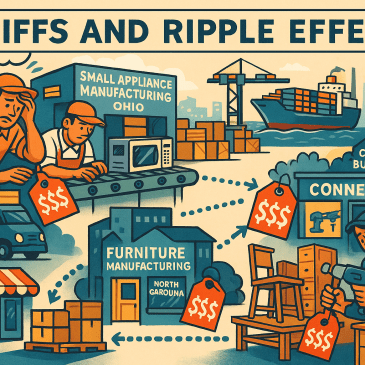
Impact of Tariffs on Supply Chains and Consumers

The 2018 tariffs imposed by the Trump administration aimed to protect American manufacturing but resulted in increased costs throughout supply chains, affecting many businesses and consumers. While some industries may benefit, the negative impact on broader economic dynamics often outweighs the intended advantages. … More Impact of Tariffs on Supply Chains and Consumers

Research Resources

The Rational Moderate relies on transparent, verifiable data to ground every piece of analysis. This page brings together the government datasets, statistical portals, and long‑running research series we use most often in our work. These sources provide consistent historical baselines, nonpartisan measurement, and the kind of structural indicators that help explain how institutions, markets, and communities are actually performing. Whether you’re exploring economic trends, demographic shifts, public finance, or civic health, these resources offer the primary data needed to move beyond headlines and into the underlying realities shaping the country. … More Research Resources